
Recording
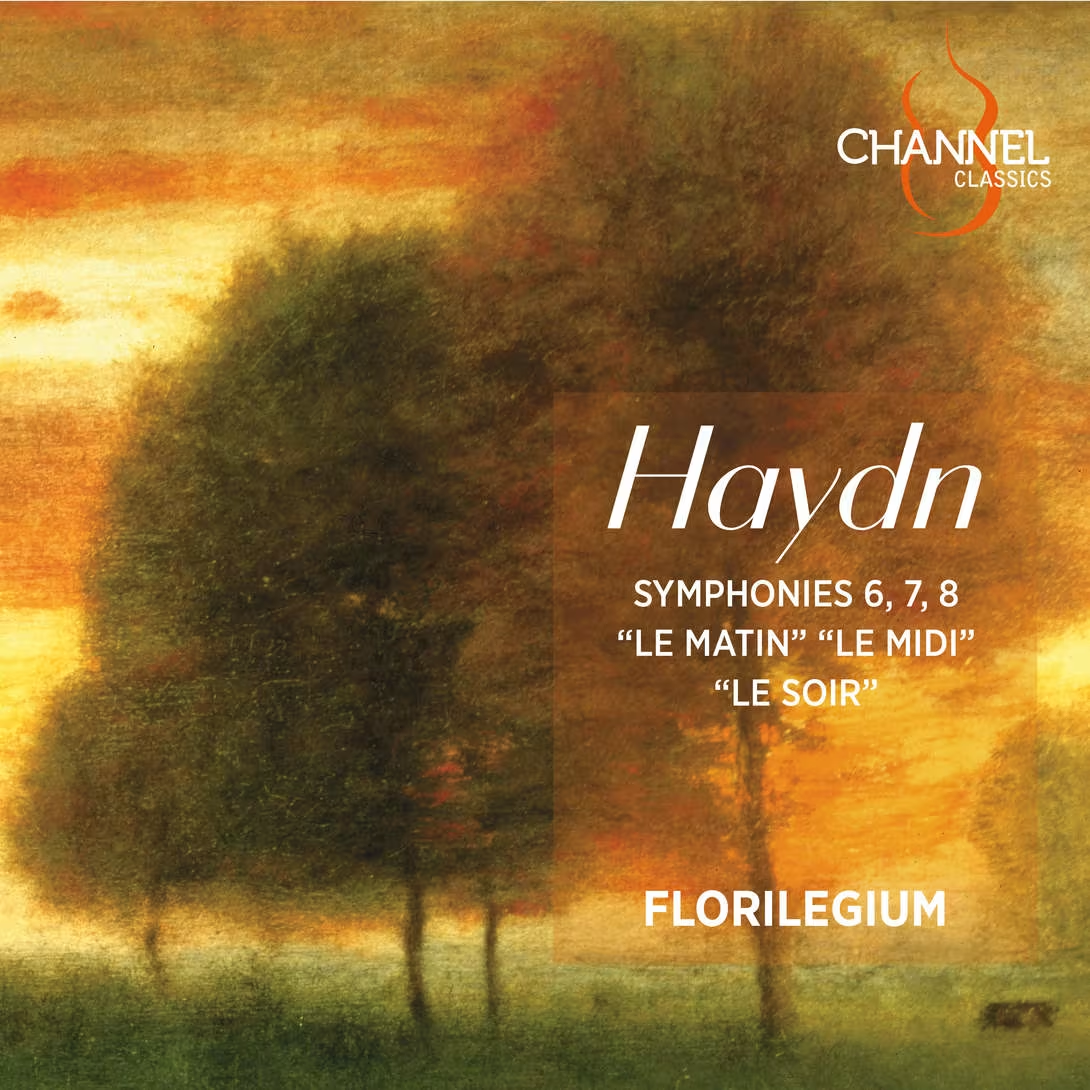
Haydn: Symphonies 6, 7, 8 ‘Le matin’ ‘Le midi’ ‘Le soir’
Florilegium
Share this

FIRST PUBLISHED 25 NOV 2023
This recording involves 18 members of Florilegium, the exact number of musicians Haydn had at his disposal when he composed his 6th, 7th and 8th symphonies (known as Le matin, Le midi, and Le soir) shortly after arriving at Esterhazy in 1761.
Haydn’s first symphonies for his new employer, Prince Paul Anton Esterházy, form a group of three entitled Morning, Noon, and Night. Perhaps these were a result of the Prince’s suggestion that Haydn write something programmatic along the lines of Vivaldi’s Four Seasons. As symphonies for a small chamber orchestra, all three exploit the solo skills of each of Florilegium’s principals, from flute to double bass, not to mention heroic horns and spectacular violin and cello solos, each vividly characterised in an almost operatic way.
Ashley Solomon coaxes lively performances out of the members of Florilegium, with the depictions of rain, lightning and thunder conjured up by Haydn in the concluding storm movement of ‘Le Soir’ sounding particularly vivid. Agata Daraskaite’s sweet-toned violin solos are a distinct asset, as are the double bass solos by Carina Cosgrave. (BBC Classical Music ****)
Florilegium is one of Britain's most outstanding period instrument groups specialising in music from the 17th and 18th centuries. Many of their recordings have garnered international awards over the years.
Find out more about this recording and buy a copy on the Florilegium website shop.
This project was supported by a grant from Continuo Foundation
Supported by Continuo Foundation
Share this
Keep reading
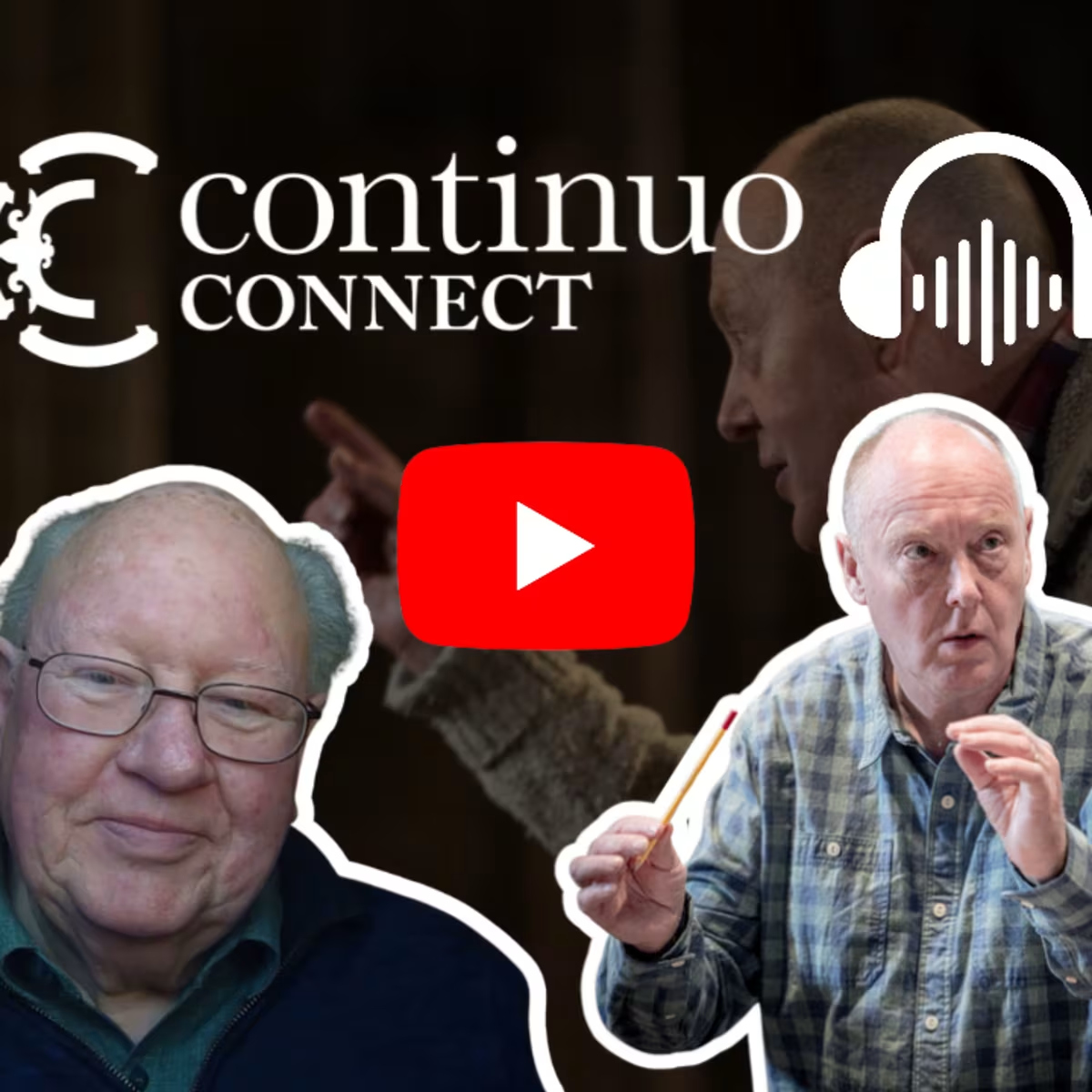
Singing from within: Paul McCreesh on Gabrieli Roar
Conductor and Artistic Director Paul McCreesh talks to Simon Mundy about Gabrieli Roar – the youth choral project that puts thousands of young singers on stage alongside professional period-instrument musicians.
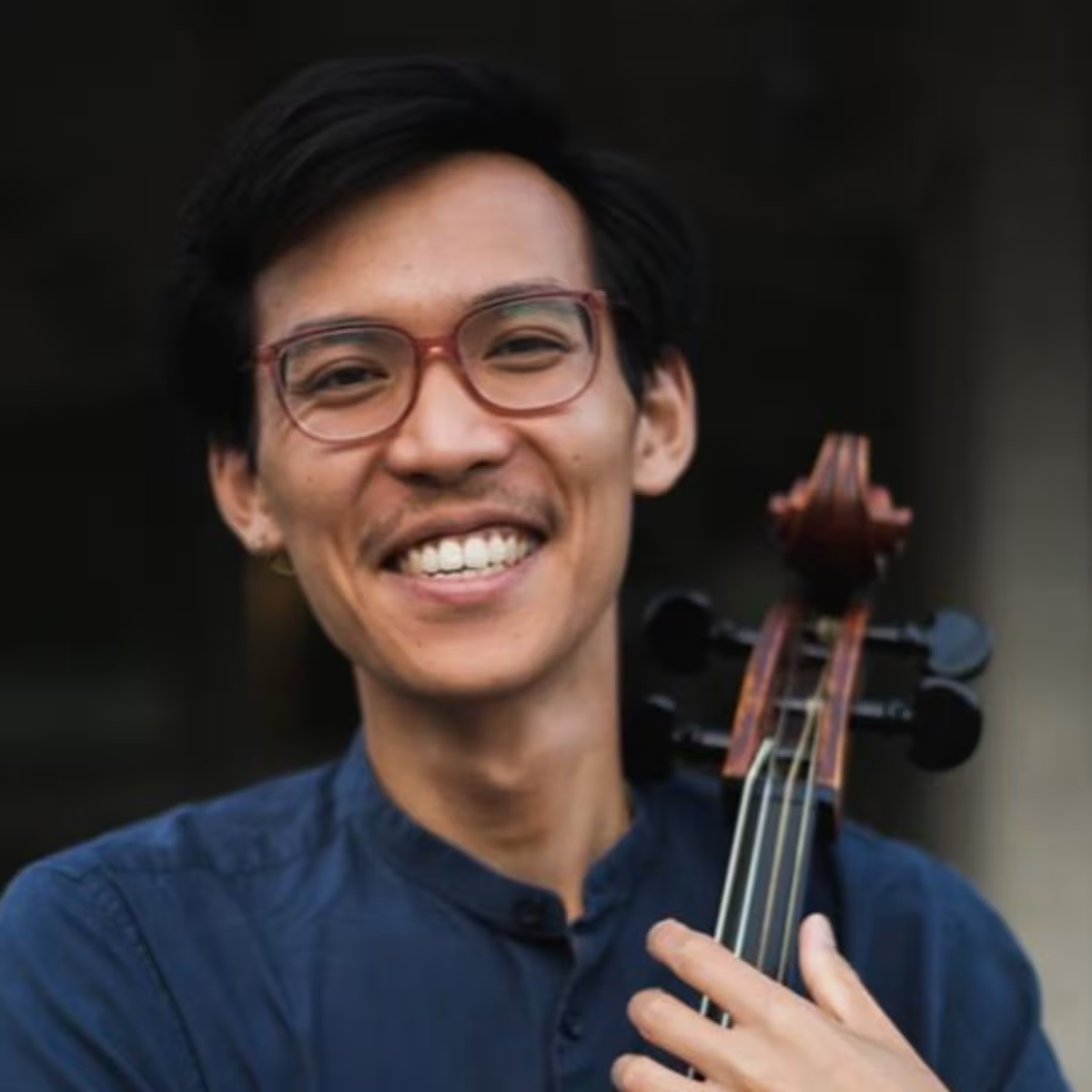
In conversation: Samuel Ng
Continuo Connect catches up with Samuel Ng, cellist and gamba player with the newly formed Republic of Viols and Liturina.
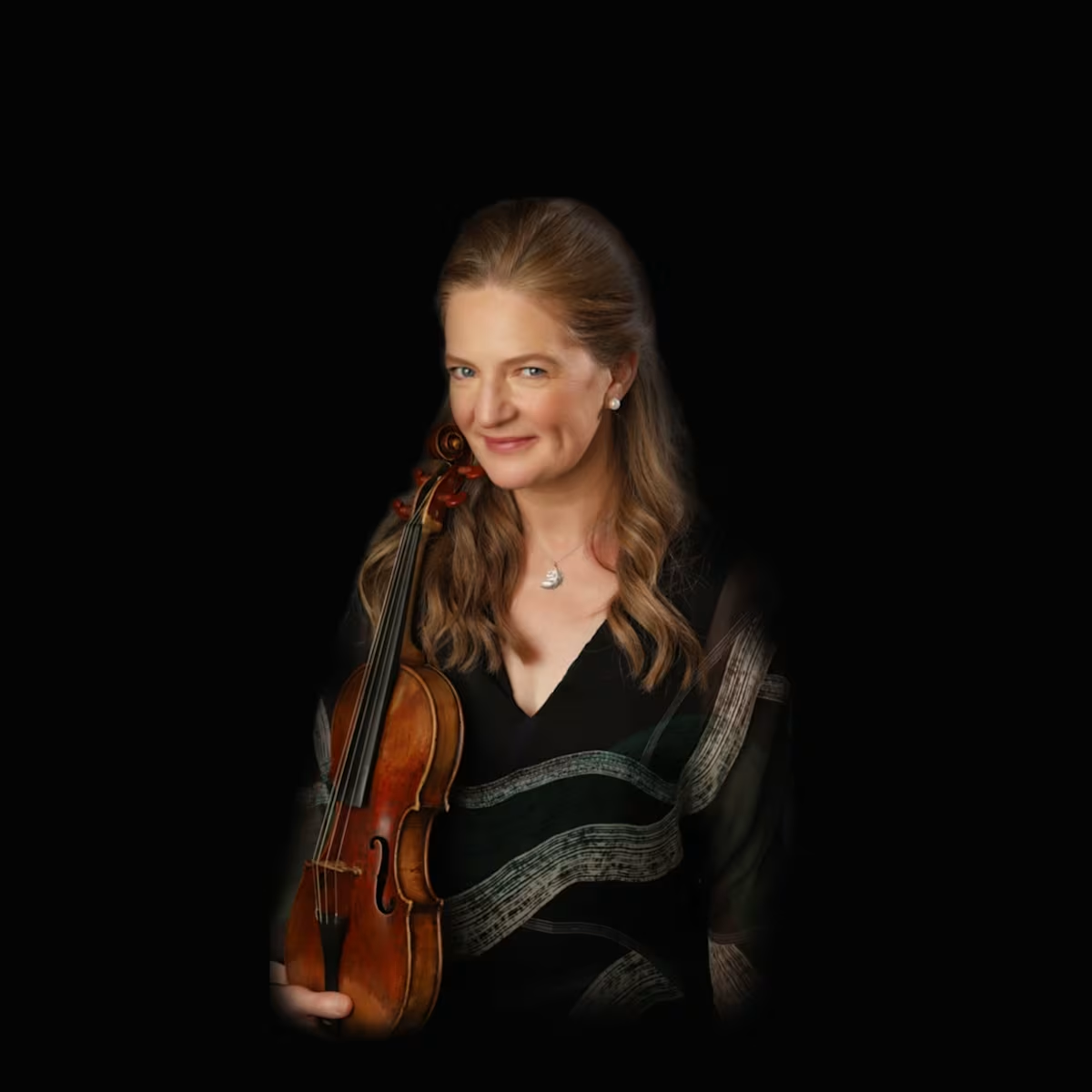
From kitchen to cathedral: the accidental art of festival-making
Rachel Podger, a Continuo Foundation Patron, has spent two decades creating a festival as open-hearted and inquisitive as her own music-making. She tells Ashutosh Khandekar how the Brecon Baroque Festival evolved almost by chance.