

Spotlight
In conversation: Daniel Thomson
Share this

FIRST PUBLISHED 08 JUN 2026
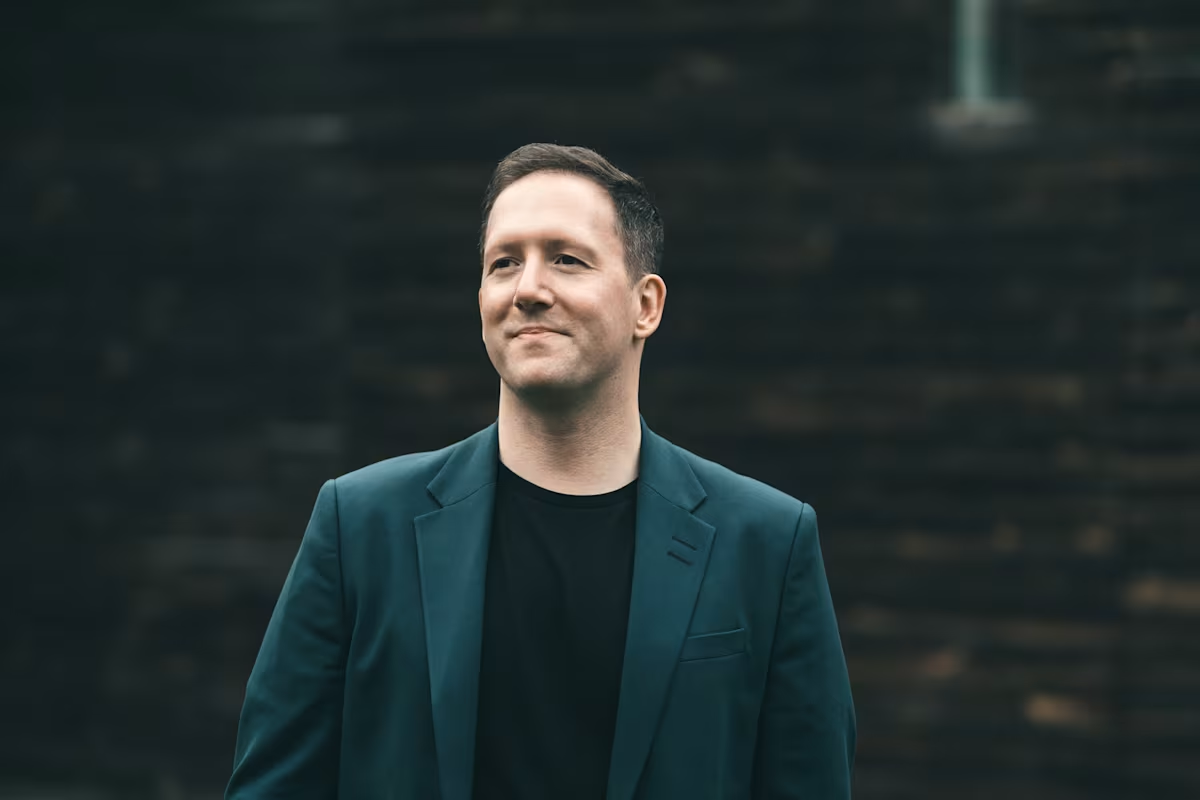
Originally from Melbourne, Australia, Daniel Thomson is a London-based tenor soloist, recitalist and chamber singer. Known for his expressive text-based performance, Daniel’s focus is on historically informed performance of music from the 12th to 19th centuries. Daniel is a core member of several groups including Huelgas Ensemble, Dowland’s Foundry, Lux Musicae London, InVocare, Sidonia Ensemble, medieval ensemble Rune and the choir of St Bartholomew-the-Great. Released in early 2018 - Daniel’s debut solo album 'Secret Fires of Love', has been featured on BBC Radio 3 programme In Tune with Daniel as a BBC Introducing Artist. It was reviewed by MusicWeb International , describing it as “of the utmost importance ... This disc is the result of much research of historical sources and deserves the attention of every performer'.
You studied in both your native Melbourne and also in Basel, so how did you end up living and working in London?
I had a good education in choral singing back in Melbourne, so London was the obvious choice as there is an impressive choral tradition here, with so many high quality professional choirs. Not only that, but being close to Europe means I can easily travel over to work with some ensembles that I have dreamed of working with since I started to explore Early Music. I do often miss Australia though!
You are admirably proactive in securing work for your various ensembles, in particular your residency at St Bartholomew the Great in London. How did this opportunity come about, and do you have any suggestions for other ensembles who are interested in pursuing the same residency model?
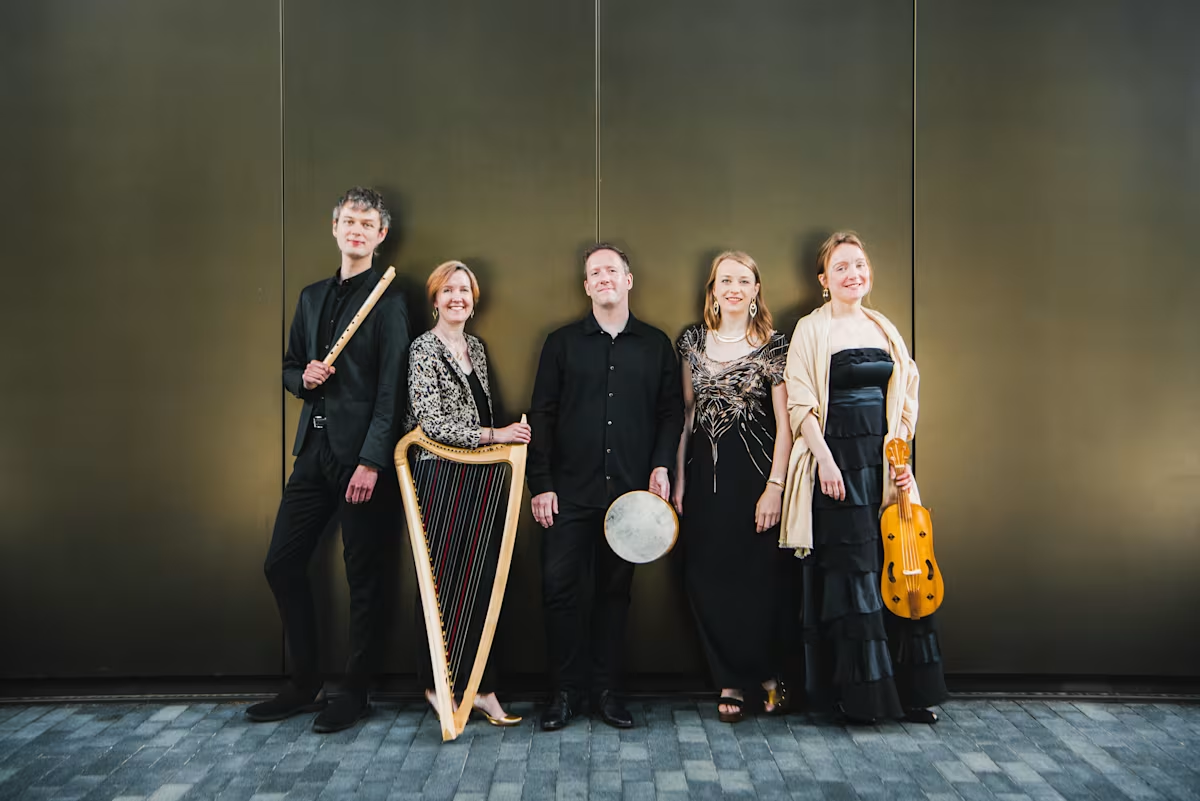
I have been a member of the St Bart’s professional church choir for nearly 10 years now, so I have a great relationship with them. The main thing we agreed on was that it needed to be mutually beneficial for them and Rune - which for us means using the music’s connection with history to bring more people into this beautiful over-900-year-old space. We started with a test concert which went well. From there, we’ve managed to grow the audiences through connection with the history of the building, various marketing ideas, and a lot of hard work! Self-promoted concerts are a bit of a risk and not for the faint-hearted, but if you can work with a regular venue, it is fantastic for building an audience and can be incredibly rewarding for an ensemble.
What is it that draws you to medieval music?
Medieval music feels like true exploration to me. Like travelling back in time and learning historical secrets! A lot of the instruments we are using only survive in iconography and lots of fantastic research has been done - and is still happening. So it is exciting to try to re-create these old sound worlds in some way. This repertoire is so special that I am working on founding a new festival soon - the Medieval London Music Festival - so that people can hear more “medieval music in medieval spaces”! It’s going to be a huge venture, so watch this space - and please get in touch via our website if you'd like to help as one of our founding supporters!
As a vocalist specialising in Early Music, what sets your voice apart from other tenors, and
how does your approach change with a broad repertoire ranging from medieval to 19th century music?
A big part of my studies has been in rhetoric and oration - something that musicians would have been a lot more familiar with in certain circles during their times. So I have developed quite a text-led style that prizes expressing well the poetry, lyrics or story of a piece. Great for singing Evangelist parts or lute songs! Of course, my favourite thing about early music is that for each period of music, or genre within periods, there is a slightly different approach. So there is an element of tailoring techniques according to what repertoire you are performing. So vocal production, ornamentation and other interpretations will often be very different between genres. It’s quite a fun thing to explore!
What is your idea of perfect happiness?
A perfectly made coffee and a quiet moment, ideally a sunny day, surrounded by nature and fresh air.
What non-musical hobbies or interests do you have?
I love baking and cooking, although I don’t find it relaxing. It’s more that when I have time, I enjoy setting myself the challenge of a complex recipe and seeing if I can pull it off. (Results are mixed, pun intended!)
What’s so special about HIP/early music performances?
Historically informed performance, or historical re-creation is just that. Although we are trying to be faithful to the period and research, we are inevitably re-creating music from the past into something new. I imagine it as being like watching someone paint or create pottery with ancient techniques, only instead of using your eyes you use your ears. Also, at many early music concerts you’re likely to hear something beautiful that you haven’t heard before, which can be incredibly exciting! Perhaps something to shake up your “Spotify unwrapped” at the end of the year.
Do you have a lucky charm or ritual that you follow before important concerts?
Not really! Mostly I just pace around the room for several minutes before. The last few minutes before going on stage can sometimes feel like a lifetime.
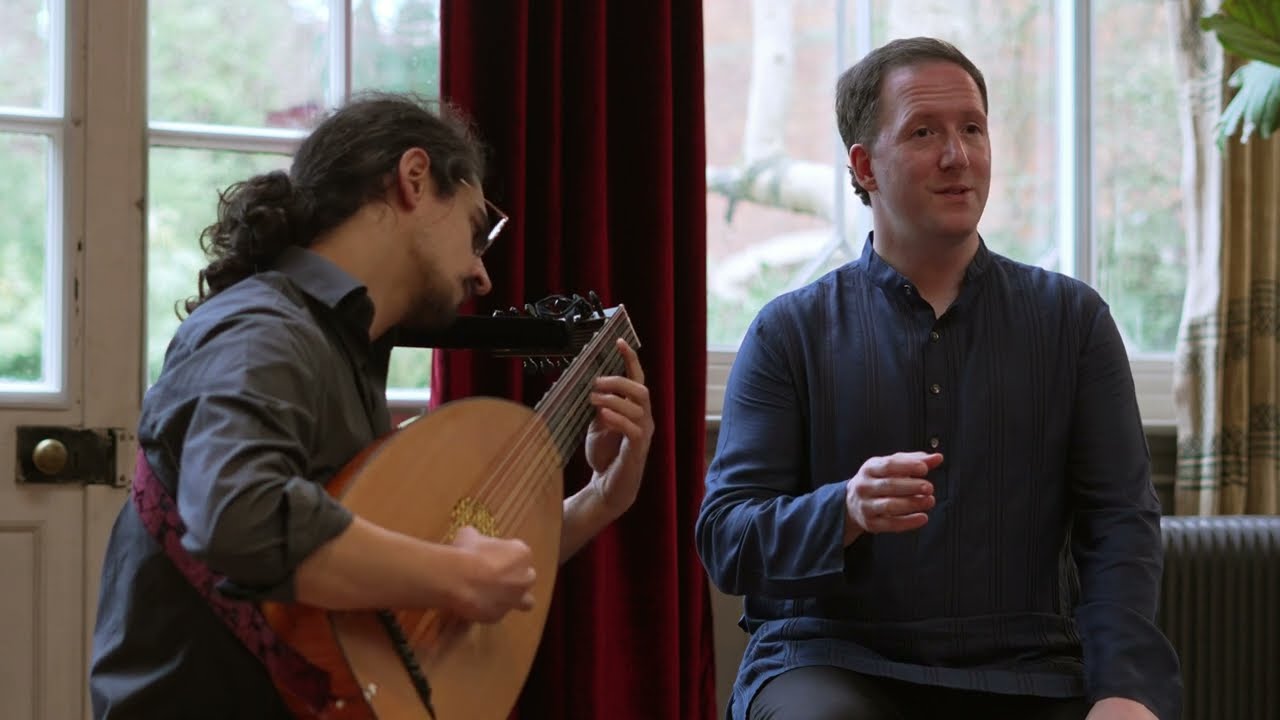 ▶
▶John Dowland (1563-1626) | 'Time Stands Still' | Dowland's Foundry - Daniel Thomson (tenor) & Sam Brown (lute)
If you could meet anyone from the past, who would it be?
I do love a good deep thinker. John Dowland would be a good choice (saying this or my lute colleagues would be disappointed) - or likewise Cicero would have been an interesting character!
What will someone living 400 years from now think about “early” music?
The early music revival is going strong. I think with AI the musical landscape is going to change quite a lot, and “real” music making will become incredibly valuable. So I’m hoping people will enjoy culture, history and early music more and more.
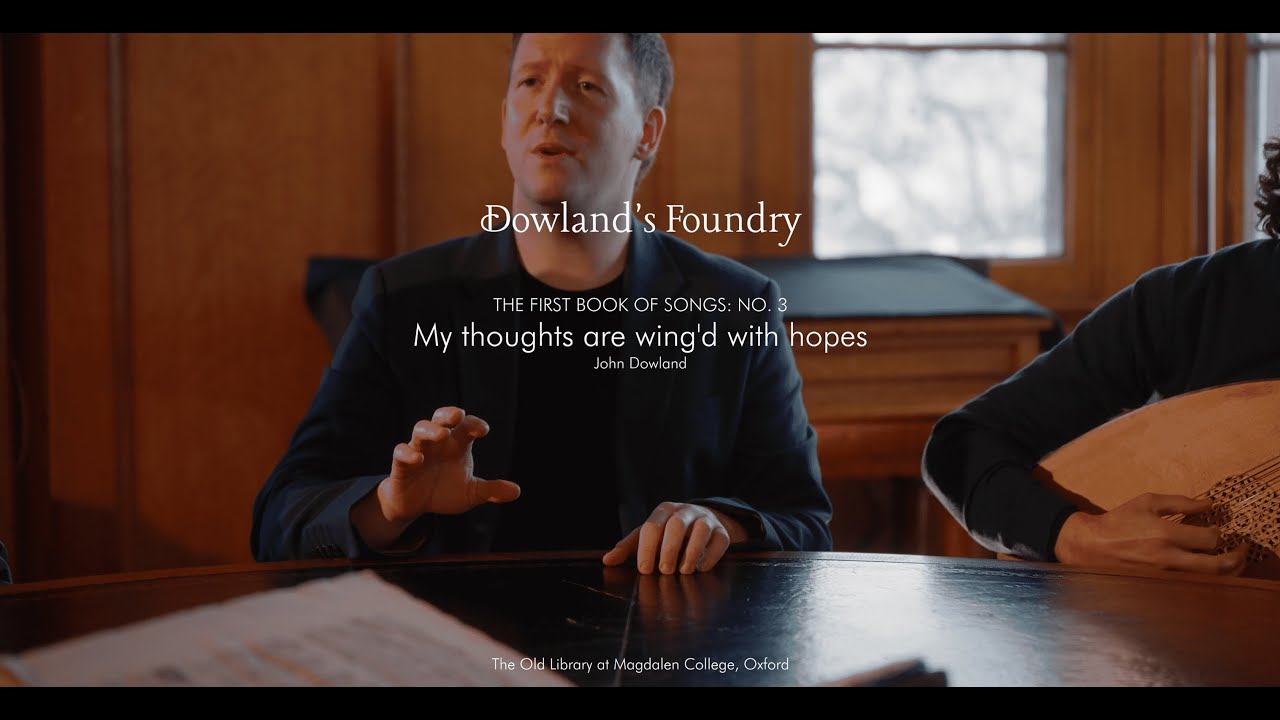 ▶
▶John Dowland (1563-1626) | 'My thoughts are wing'd with hopes' | Dowland's Foundry
How did you get into historical performance practice/early music?
I first encountered early music when our music teacher changed in high school in my final year. The new teacher was Jacqueline Ogeil, a fantastic historical keyboardist. Her husband John O’Donnell is also a historical keyboardist and was choral director at one of the colleges in Melbourne. So she introduced me to Bach through studying his Cantata BWV 140 Wachet Auf, and John got me to sing some Monteverdi duets with my identical twin brother Matthew which was incredibly fun. That secured my love for Baroque and by the time I got to university I was fully hooked! My brother is working as a professional singer too, but is based in Barcelona these days.
Hear Daniel Thomson live with Dowland's Foundry at the Oxford Early Music Weekend on 21 June. Entrance is free, but booking is essential.
Share this
Keep reading
In conversation: Bolette Roed
Continuo Connect talks to the Danish recorder player Bolette Roed about her group, the Elephant House Quartet, and Copenhagen Baroque Festival.

Celebrating 300 years of Academy of Ancient Music
Three hundred years after the first Academy of Ancient Music was founded, its modern namesake is preparing a season that looks far beyond commemoration.
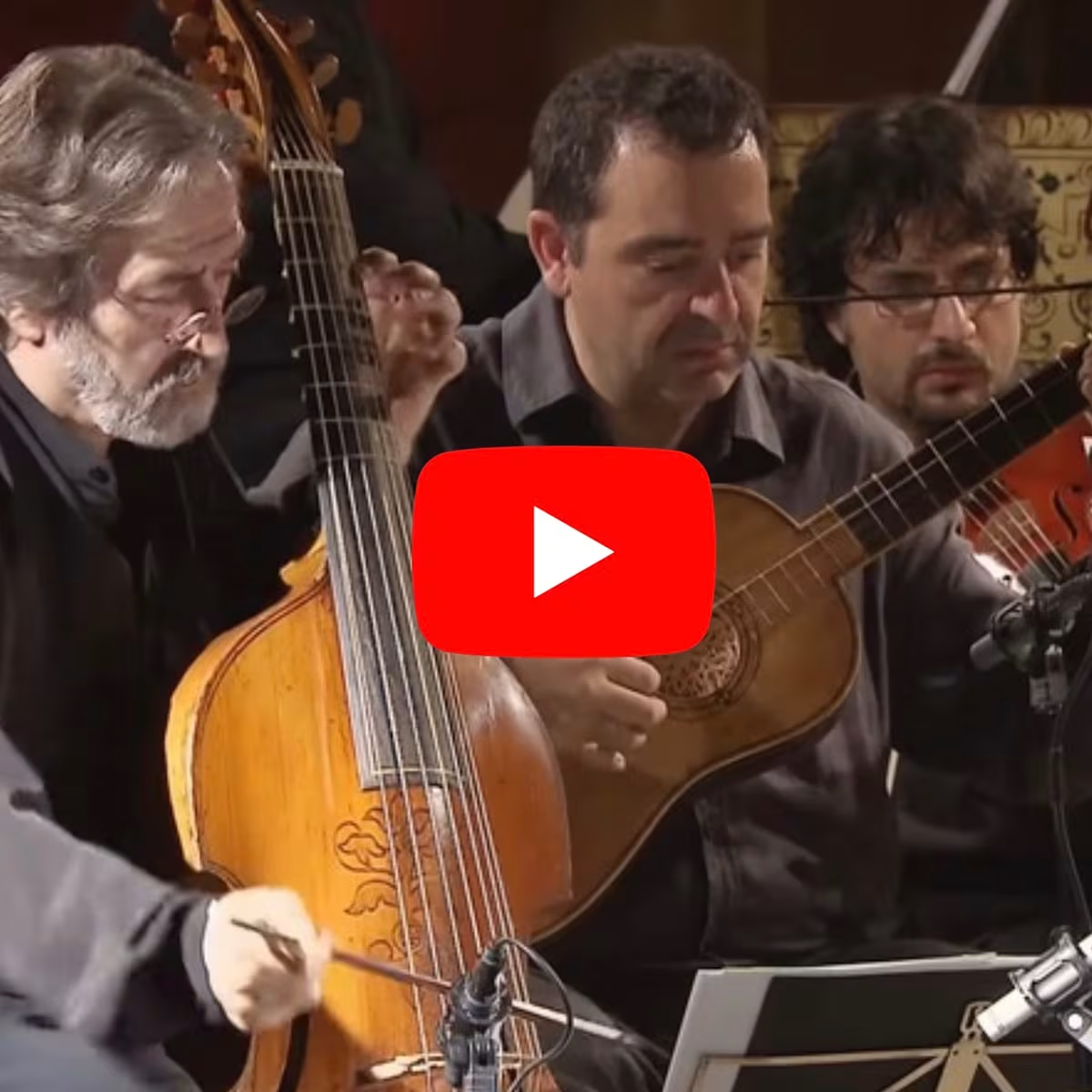
Jordi Savall & Le Concert des Nations | Le concert spirituel
Jordi Savall and his orchestra Le Concert des Nations held this special 'Concert spirituel' during the 2010 Festival Musique et Histoire in Fontfroide Abbey, in Narbonne, France.