
Recording
Maurice Greene: Jephtha
Share this


FIRST PUBLISHED 25 APR 2025
Christian Curnyn, renowned conductor and founder of the Early Opera Company, directs his forces in the premiere recording of Maurice Greene's rarely-performed masterpiece, Jephtha. The orchestra and chorus were joined by a dazzling cast of soloists: Andrew Staples takes the titular part, joined by Mary Bevan, Michael Mofidian, and Jeremy Budd.
Little-known today, English composer Maurice Greene (1696-1755) was one of the most successful English musicians during his time. By 1730, he was working as organist at St Paul’s Cathedral, Organist and Composer to the Chapel Royal, and was Professor of Music at the University of Cambridge. He was appointed Master of the King's Music in 1735. However, the looming presence of Handel in London during these years played a significant role in Greene's relative obscurity. Composed in 1737 at the height of his power, Jephtha is Greene's second oratorio, written 14 years before Handel's masterpiece of the same name, telling the story of the commander to lead the Israelites in their military campaign against the Kingdom of Ammon: he vows to God, in exchange for victory, to sacrifice the first person from his household he encounters on his return.
The album is available to purchase on the Chandos Chaconne label and to stream on Spotify or Apple Music. This recording project was supported by a grant from Continuo Foundation.

This project was supported by a grant from Continuo Foundation
Supported by Continuo Foundation
Share this
Keep reading
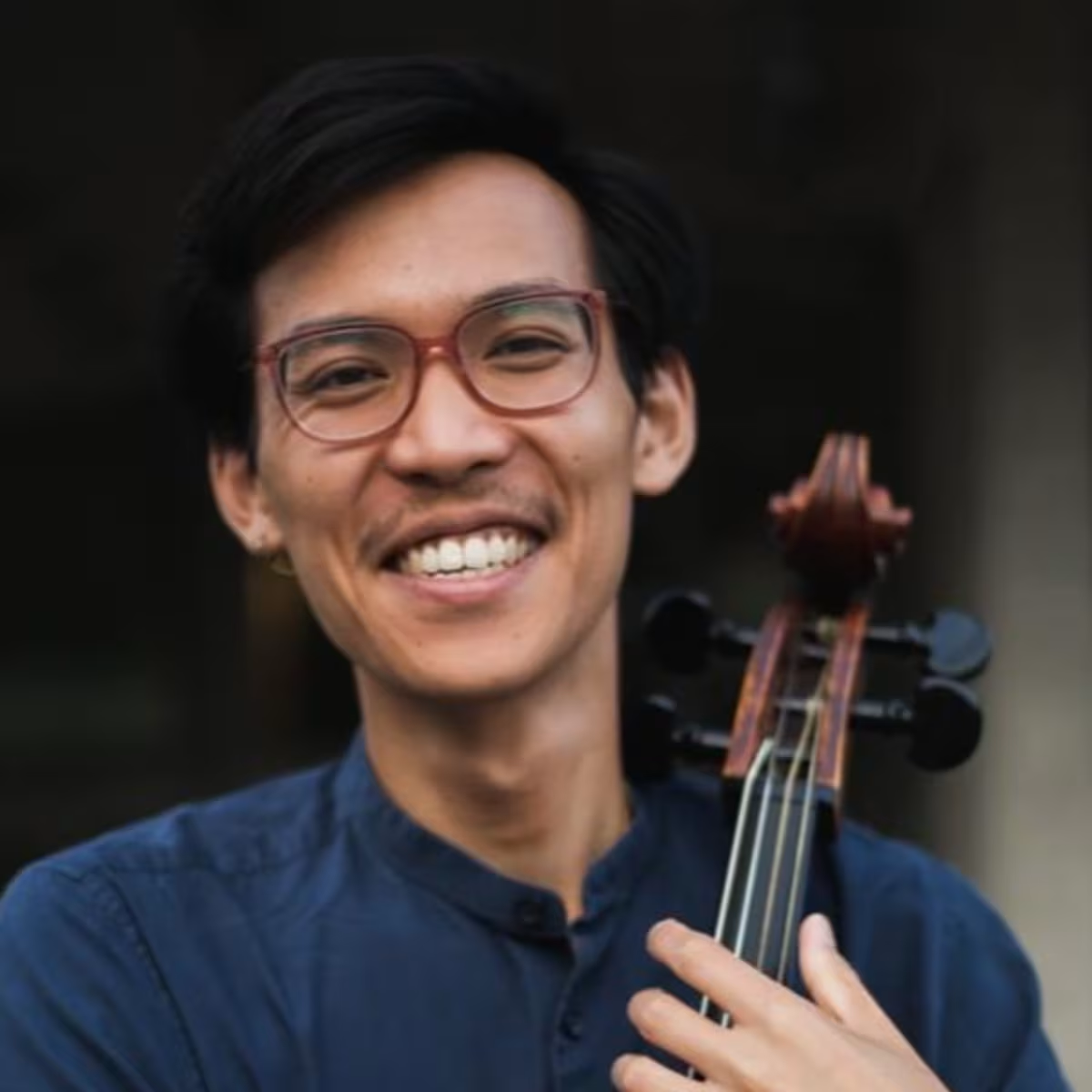
In conversation: Samuel Ng
Continuo Connect catches up with Samuel Ng, cellist and gamba player with the newly formed Republic of Viols and Liturina.
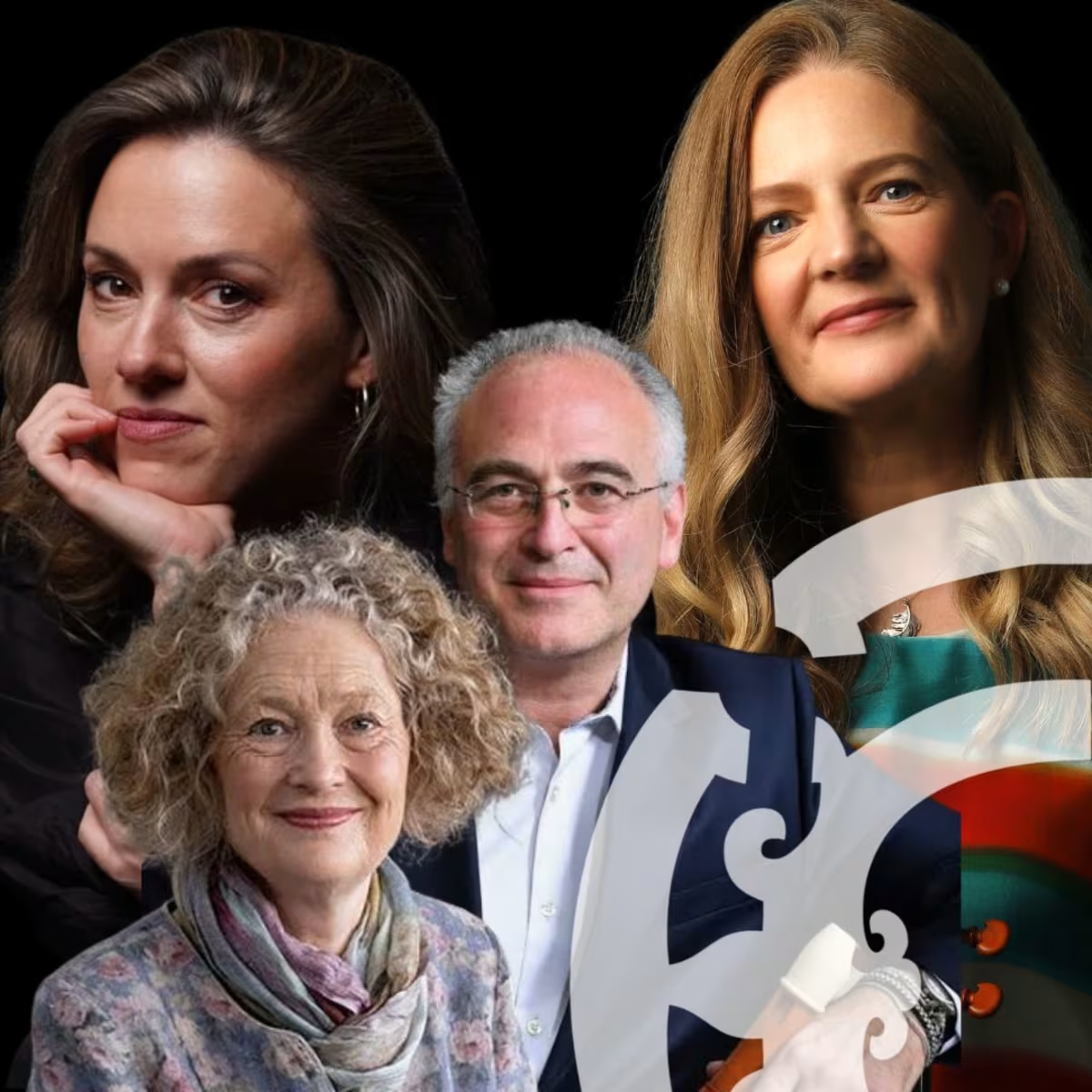
Playlist: Continuo Patrons
A playlist of tracks by Continuo Foundation Patrons Mary Bevan, Emma Kirkby, Rachel Podger and Ashley Solomon in celebration of the UN International Day of Charity.
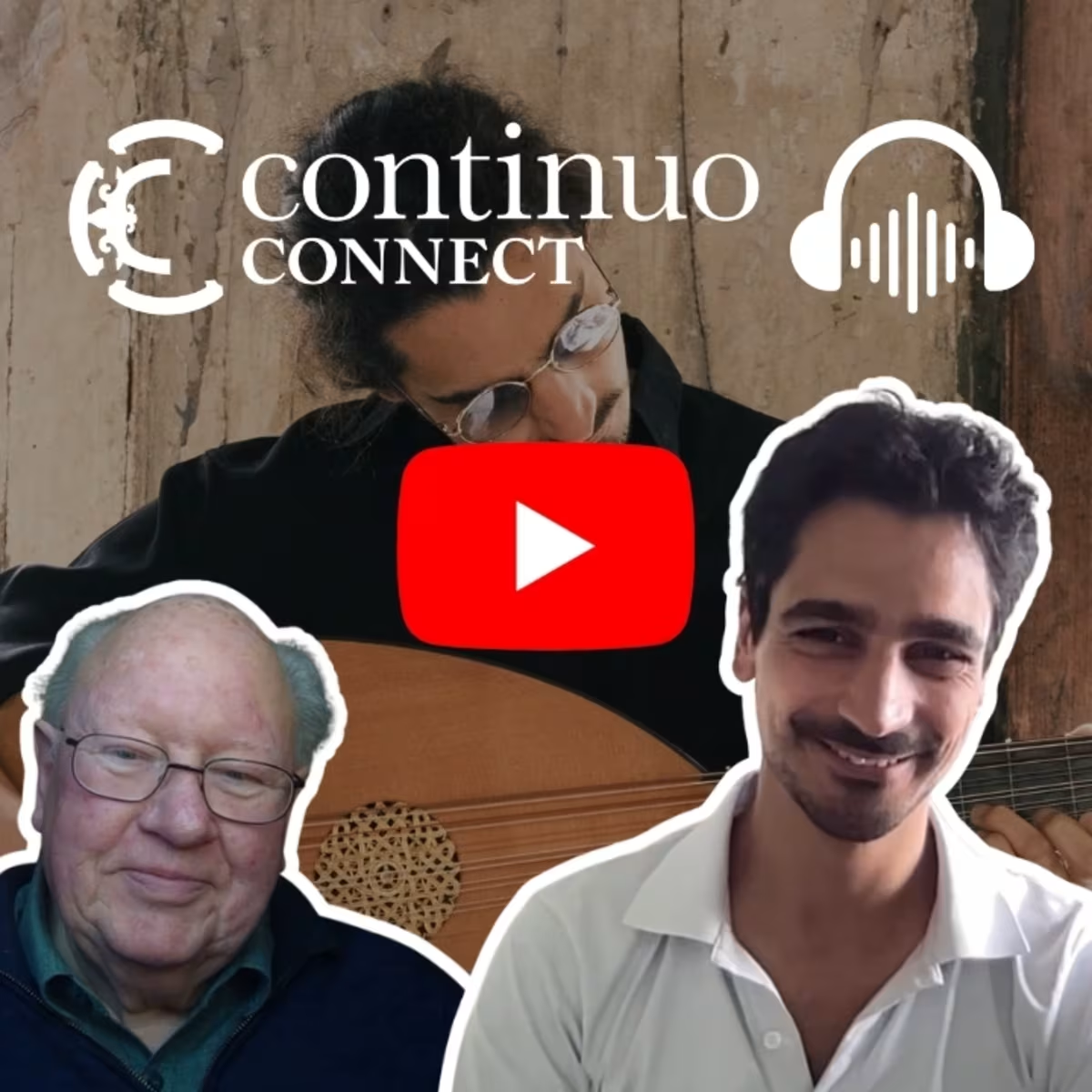
Sam Brown on Dowland and filtering history through a modern lens
Lutenist Sam Brown of Dowland's Foundry chats with Simon Mundy about how we interpret John Dowland, the formation of the ensemble around Emma Kirkby's kitchen table, and an exciting recording project in the pipeline.