

Feature
The Art of Scandal: Handel's Messiah
Share this

BY ASHUTOSH KHANDEKAR | FIRST PUBLISHED 13 NOV 2026
Handel’s Messiah gets personal in the marital predicament of the singer-actress Susannah Cibber, explored in a new Sky Arts documentary, The Handel Scandal. Ashutosh Khandekar explores how our knowledge of Cibber’s story can change the way we experience Messiah, underlining the importance of the soloists in giving audiences a fresh perspective at every performance.
Why not enjoy reading this article accompanied by our latest playlist: Musical Scandals?
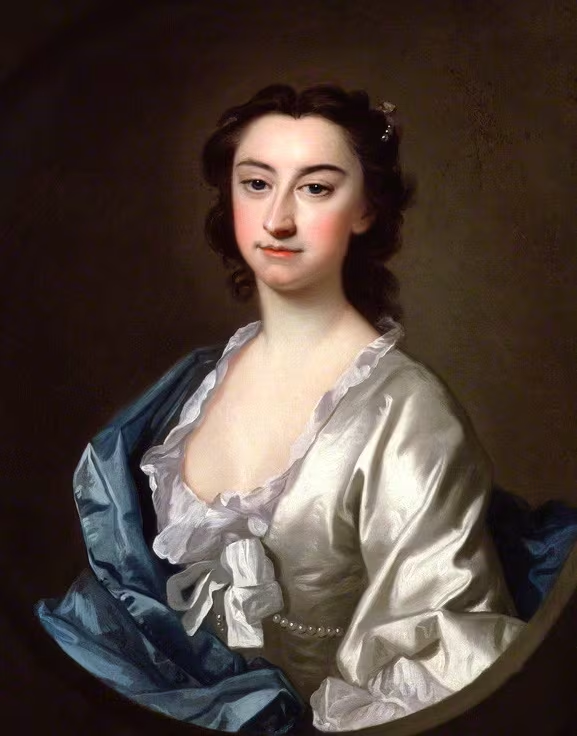
‘He was despised and rejected of men; a man of sorrows, and acquainted with grief.’ When Susannah Cibber sang these words at the Dublin premiere of Handel’s Messiah on 13 April 1742, many of her listeners would have found their thoughts turning to the woman standing before them.
An actress and singer returning to public life after a devastating marital scandal, Cibber knew a thing or two about rejection. We cannot know precisely how her experiences coloured that first performance but the connection between life and art is compelling. Knowing Cibber’s story changes the way we imagine Messiah’s first performance, drawing our attention to the singer entrusted with one of the oratorio’s most moving arias. It also raises a question familiar to audiences today: how much does the private life of a celebrity influence their public persona?
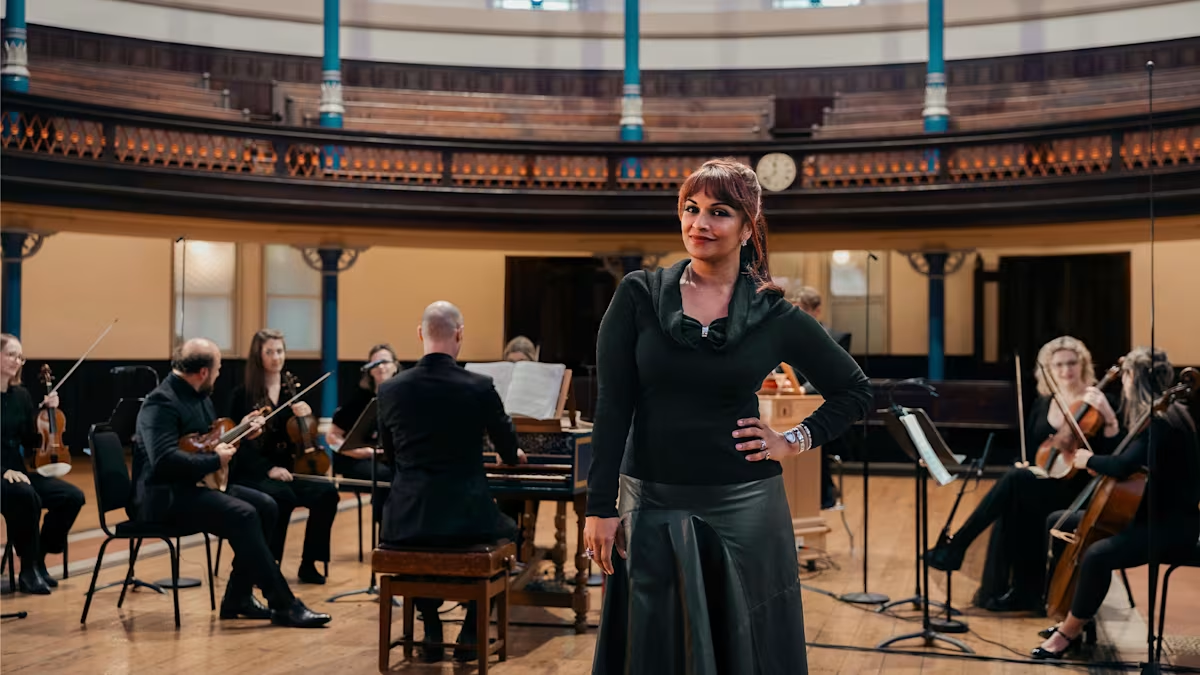
This is the fertile territory of Sky Arts’ The Handel Scandal, presented by soprano Danielle de Niese. A work we tend to encounter as a much-loved fixture of the concert calendar emerges from a world of theatrical gossip, precarious careers and intensely personal relationships between artists and their public.
Cibber’s private life had become painfully public. Her husband, the actor Theophilus Cibber, had encouraged her relationship with the wealthy William Sloper and then sued Sloper for damages. In 1738, he sought £5,000. The jury, having heard evidence of his complicity, awarded him just £10. Undeterred, Theophilus tried again, and a second action secured £500. Susannah eventually withdrew from public life, taking refuge with Sloper and their daughter.
It is difficult now to grasp Cibber’s story without seeing her husband’s conduct as its most scandalous aspect. Yet Susannah carried the lasting label of the disgraced performer. Against this background, He was despised becomes an intriguing meeting point between a sacred text, a performer’s experience and an audience’s imagination. Cibber was singing about Christ’s suffering, but she brought additional poignancy to this text. The aria’s spacious phrases allow every word to register; much depends on the singer’s ability to sustain this expressive weight.
De Niese explores Handel’s adaptations for Cibber’s voice with Peter Whelan and members of the Irish Baroque Orchestra. This musical relationship deserves as much attention as the personal drama. Cibber’s particular strength was dramatic expression. As Jonathan Rhodes Lee’s research into Handel’s revisions for her suggests, the composer understood how effectively she could engage an audience’s sympathy.
Her story makes us curious about the details of her performance: how she might have shaped a phrase, delivered a word or held a silence. Personal experience alone cannot explain an artist’s powers of communication. Cibber brought the skills of an accomplished actress to music that gave her room to use them.
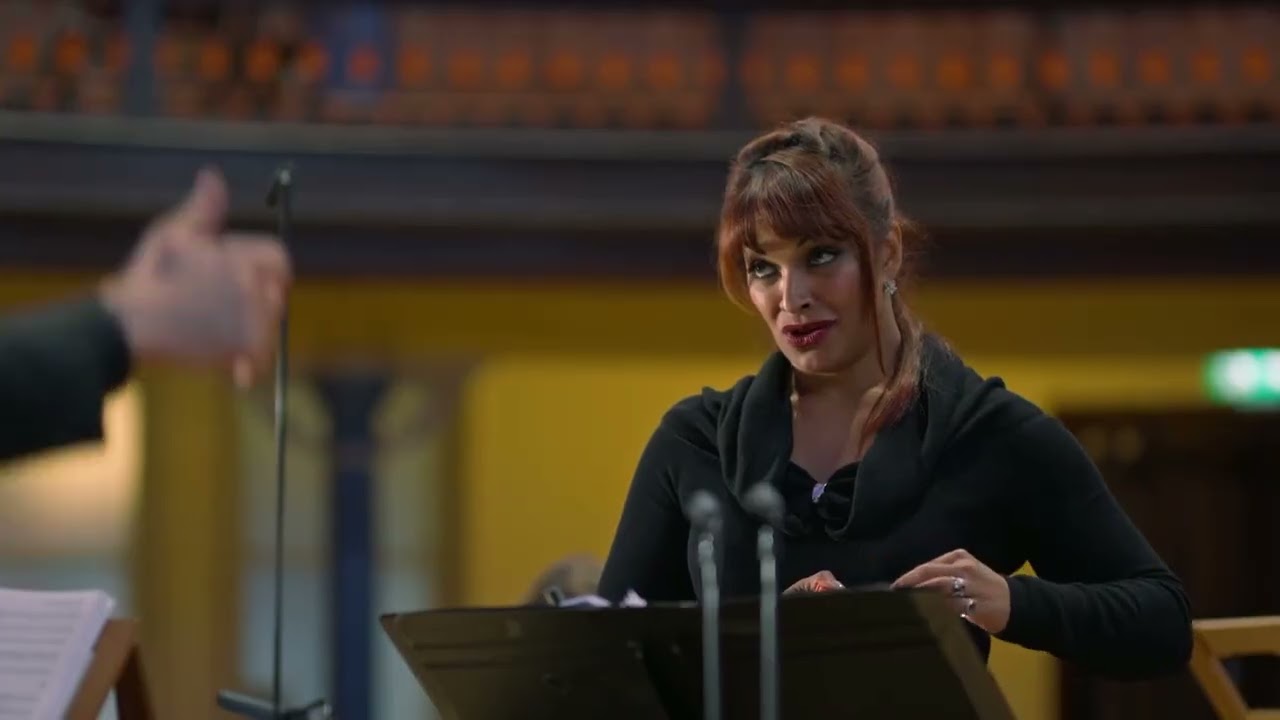 ▶
Danielle de Niese performs excerpts from Messiah alongside Peter Whelan and the Irish Baroque Orchestra
According to one famous anecdote, Cibber’s singing so moved a clergyman that he shouted out during the performance that her sins be forgiven. It is a great story, but probably not true: the earliest version identified by Lee appeared nearly forty years after the premiere, and its author explicitly declined to vouch for it. Its survival nevertheless suggests how readily people understood Cibber’s performance as a moment of personal vindication. Audiences, after all, always enjoy a comeback.
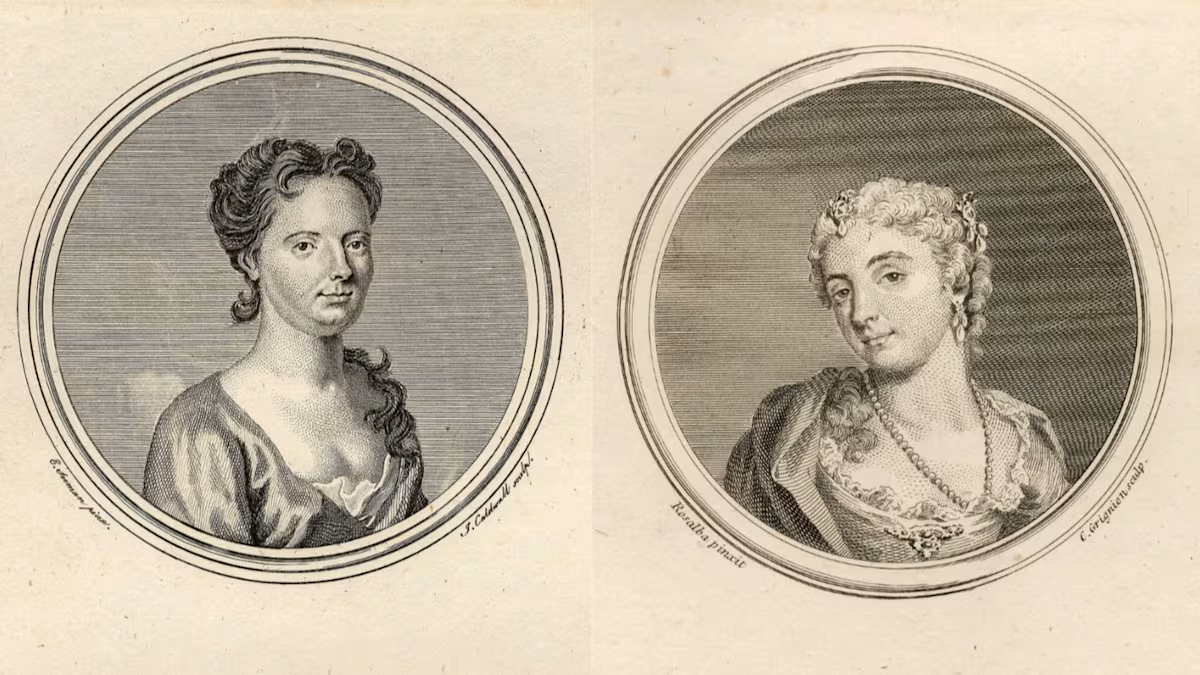
Other singers in Handel’s world found that their public image could be harder to control. The sopranos Francesca Cuzzoni and Faustina Bordoni attracted competing factions during their London appearances in the 1720s. In June 1727, their supporters disrupted a performance of Bononcini’s Astianatte. Accounts of the singers fighting and pulling each other’s hair have proved almost as durable as the story of Cibber’s absolution.
Here, too, the evidence is scant. The skirmish in the audience is documented, but there is no reliable evidence that the women actually came to blows. Their supposed feud nevertheless became part of operatic legend, overshadowing the musical achievements that had made both singers famous.
Today’s media would recognise the appeal of the story: celebrity rivalry sells when it contains personal animosity. Cibber’s participation in Messiah offers a particularly absorbing example of the power of celebrity, because the work leaves so much to the performer. With no staged action or scenery, the expressive impact of the work depends on the voice, the words and the singer’s relationship with the audience.
Susannah Cibber’s story encourages us to think about what the performers of Messiah are trying to communicate. Most of us have a favourite Messiah recording, or remember a performance in which a familiar aria suddenly felt different because of the way it was delivered. Next time He was despised begins, give a thought to the actress who sang it at its world premiere in Dublin, and consider how Handel captures her plight in music of such sublime beauty.
The Handel Scandal was first broadcast on 27 October and is available to stream on NOW TV. Discover upcoming performances of Handel's Messiah on Continuo Connect and learn more about this enduring work in Ashutosh Khandekar's deep dive, The infinite variety of Handel's 'Messiah'.
Share this
Keep reading
Touching Bach: an immersive experience of the St John Passion
If we find a piece of music “touching”, it means it makes us feel something. But, like most metaphors, this one has a literal dimension, which becomes very evident when you dig into its history.

In conversation: Samuel Ng
Continuo Connect catches up with Samuel Ng, cellist and gamba player with the newly formed Republic of Viols and Liturina.

Singing from within: Paul McCreesh on Gabrieli Roar
Conductor and Artistic Director Paul McCreesh talks to Simon Mundy about Gabrieli Roar – the youth choral project that puts thousands of young singers on stage alongside professional period-instrument musicians.